

Our member organisations are:








Who we are

About us

Our mission

How we work

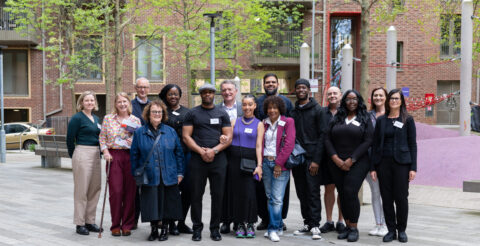
G15 Residents’ Group
What we do
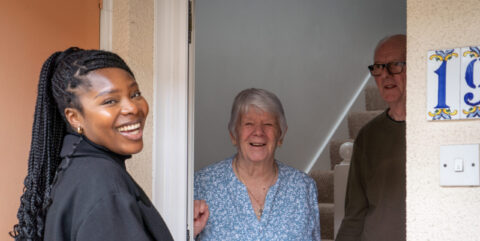
Colleague talent – Equality, Diversity and Inclusion

Meeting London’s housing needs

Projects and partnerships

Supporting people and communities
Latest news

G15 welcomes government announcements putting housing and homelessness in focus ahead of Budget
G15 welcomes government announcements putting housing and homelessness in focus ahead of Budget The government has made several social housing announcements ahead of the

Winners announced at the G15 Ethnicity in Housing Awards 2026!
G15, in collaboration with UNIFY, hosted its fifth annual Ethnicity in Housing Awards on Friday 16 October, celebrating excellence, leadership and diversity across the social housing sector. The event recognised the outstanding achievements of colleagues, residents and community groups making a positive difference, with inspiring speeches and performances showcasing the talent and cultural diversity within our housing communities. Congratulations to all our winners and nominees! Read more about the event here.

G15 Residents’ Group responds to GLA on the London Plan
The G15 Residents’ Group has responded to the Mayor of London’s Draft London Plan consultation, welcoming its ambition to increase housing delivery while calling
